Vaping Lifestyle
Vaping is no longer just an alternative to smoking — for millions of people around the world, it has become a genuine lifestyle. From the devices people carry to the flavors they choose, from online communities to everyday rituals, the vaping lifestyle encompasses far more than the simple act of inhaling vapor. This pillar page is designed to give you a complete, accessible introduction to what the vaping lifestyle really means, how it fits into daily routines, and what every beginner or intermediate vaper should understand to navigate this world with confidence.
Think of this article as the map of the territory: each section introduces a major theme, explains it in plain language, and connects it to the other pieces of the puzzle. Whether you are curious about switching from cigarettes, already vaping and wanting to deepen your knowledge, or simply interested in the culture surrounding it, you will find practical, honest guidance here.
What Is the Vaping Lifestyle?
At its core, the vaping lifestyle is the set of habits, preferences, and social behaviors that form around the regular use of e-cigarettes. If traditional smoking could be compared to drinking instant coffee — functional, standardized, identical everywhere — vaping is closer to specialty coffee culture: a world of choices, customization, rituals, and conversation.
This lifestyle includes several dimensions:
- Technical dimension: choosing, understanding, and maintaining a device that fits your needs.
- Sensory dimension: exploring flavors, nicotine strengths, and the ritual of vaping itself.
- Social dimension: communities, both online and offline, where vapers share tips, reviews, and experiences.
- Practical dimension: integrating vaping into a daily routine — at home, at work breaks, while traveling.
Understanding these dimensions helps explain why vaping is experienced so differently from smoking. A smoker typically buys the same pack from the same shop. A vaper builds a personal setup, adjusts settings, rotates flavors, and evolves over time. That evolution is the heart of the lifestyle.
From Smoker to Vaper: A Change of Mindset
For many people, the vaping lifestyle begins with a transition. Switching from cigarettes to vaping is not just swapping one product for another — it is adopting a new relationship with nicotine and with ritual. Where smoking is binary (lit or not lit), vaping is adjustable: you control power, airflow, nicotine level, and frequency.
Consider a concrete example. Sarah, a former smoker of fifteen years, started with a simple pod system and a tobacco-flavored e-liquid at 12 mg of nicotine. Over several months, she lowered her nicotine strength step by step, discovered fruit flavors, and eventually realized she no longer thought about cigarettes at all. Her story illustrates a common pattern: vaping often works best when approached as a progressive journey rather than an overnight replacement.
Key steps in a successful transition
- Choose the right starting device: simple, reliable pod systems are usually the best entry point.
- Match your nicotine level: heavy smokers generally start higher (10–20 mg with nicotine salts), lighter smokers lower (3–6 mg freebase).
- Find a satisfying flavor: starting with a familiar tobacco note often eases the switch, before exploring other profiles.
- Give it time: the first two weeks matter most; cravings for cigarettes are normal and fade as the new ritual settles in.
- Keep a backup: a charged spare device or pod prevents relapse moments of frustration.
Devices and Gear: The Foundation of the Experience
No discussion of the vaping lifestyle is complete without the hardware. Devices range from discreet cigarette-style models to larger, customizable mods. Choosing gear can feel intimidating, but a simple analogy helps: think of devices like bicycles. There are city bikes (pod systems — simple and practical), mountain bikes (sub-ohm mods — powerful and versatile), and racing bikes (advanced rebuildables — for enthusiasts who want total control).
The main device families
- Pod systems: compact, beginner-friendly, low maintenance. Ideal for discreet vaping and higher nicotine levels.
- Vape pens: a middle ground with slightly more battery and vapor production.
- Box mods with tanks: larger batteries, adjustable wattage, richer vapor. Suited to intermediate and advanced users.
- Rebuildable atomizers (RDA/RTA): for hobbyists who build their own coils — the DIY end of the spectrum.
Two concepts every vaper should understand early are MTL (mouth-to-lung) and DTL (direct-to-lung) inhalation. MTL mimics the draw of a cigarette — a tight, restricted pull — and pairs well with higher nicotine. DTL produces larger clouds with a looser draw, usually at lower nicotine. Most beginners naturally prefer MTL, because it reproduces the sensation they already know.
Battery care is another essential habit: charge with the supplied cable, avoid leaving a device in a hot car, and replace batteries that show damage. These small routines are part of responsible vaping — the lifestyle is not just about enjoyment, but about safety and longevity of your gear.
Flavors and E-Liquids: The Sensory Universe
If devices are the skeleton of the vaping lifestyle, flavors are its soul. The e-liquid market offers thousands of options: tobacco, menthol, fruits, desserts, beverages, and increasingly sophisticated blends. This variety is one of the strongest levers for people leaving cigarettes behind — it replaces the monotony of tobacco with genuine discovery.
How e-liquids work
Every e-liquid is built on the same simple base: propylene glycol (PG), which carries flavor and provides a throat hit, and vegetable glycerin (VG), which produces vapor and a slight sweetness. The ratio matters: a 50/50 blend suits pod systems and MTL vaping, while high-VG liquids (70VG/30PG) feed powerful sub-ohm setups. Add flavorings and optional nicotine, and you have the complete picture.
A practical tip from experienced vapers: rotate two or three flavors rather than sticking to one. Palate fatigue — the famous « vaper’s tongue » — is common when a single flavor is used for weeks. Rotating keeps the experience fresh, much like rotating music playlists.
The Social and Cultural Side of Vaping
Vaping has generated its own culture: review channels, coil-building tutorials, flavor communities, vaping conventions, and local shops that function as social hubs. For many, this community aspect is a decisive part of the experience — a replacement for the social dimension that smoking once provided, often in a more constructive form.
That said, the social side requires etiquette and awareness. Vaping is increasingly regulated in public spaces, and attitudes vary widely. Being a considerate vaper means:
- Asking before vaping in someone’s home or car.
- Respecting no-vaping zones, even where the law is ambiguous.
- Keeping vapor away from children and non-consenting adults.
- Disposing of pods, coils, and batteries responsibly — many are recyclable at collection points.
This respect for others is increasingly seen as a marker of the mature vaping lifestyle: enjoying your experience without imposing it on anyone.
Daily Routines: Making Vaping Fit Your Life
One of the most practical aspects of the lifestyle is logistics. Unlike a pack of cigarettes, a vaping setup involves small routines: charging, refilling, carrying supplies. Well-organized vapers develop habits that make the experience seamless:
- Morning check: battery level, tank or pod filled, spare pod packed if leaving for the day.
- At work: plan vaping moments around breaks, since indoor use is usually restricted.
- Travel: carry e-liquid in cabin luggage (pressure changes can leak tanks), and research local vaping rules before crossing borders — regulations differ significantly between countries.
- Evening: charge overnight only with quality equipment, and clean your device weekly.
These routines take minutes but transform vaping from a source of small frustrations into a smooth, integrated habit.
Maintenance and Hygiene: Small Efforts, Big Rewards
A well-maintained device performs better, tastes better, and lasts longer. Maintenance is the unglamorous but essential side of the vaping lifestyle — like tuning a guitar before playing.
- Clean the tank and mouthpiece weekly with warm water and let them dry fully.
- Replace coils every one to two weeks depending on usage; a burnt or muted taste is the signal.
- Store e-liquids away from direct sunlight and heat to preserve flavor.
- Check seals and O-rings regularly to prevent leaks.
A good rule of thumb: if your vape no longer tastes like it did on day one, the problem is almost always the coil, not the liquid.
Health, Safety, and Informed Choices
An honest discussion of the vaping lifestyle must address health. Public health authorities broadly agree on one key point: vaping is significantly less harmful than combustible tobacco, because it eliminates combustion — the process that produces most of the toxicants in cigarette smoke. However, « less harmful » does not mean « harmless, » and the long-term effects are still being studied.
The responsible position for any vaper is straightforward: if you smoke, switching completely to vaping is generally viewed by experts as a harm-reduction step; if you do not smoke, there is no reason to start vaping. Beyond that, sensible precautions include buying products from reputable sources, keeping e-liquids away from children and pets (nicotine is toxic if ingested), never vaping unknown or homemade liquids, and staying informed about the regulations in your region.
Vaping and Identity: Why It Becomes a Lifestyle
Why do so many people describe vaping as a lifestyle rather than a habit? The answer lies in the sense of agency. Smoking is passive — you consume what the industry gives you. Vaping is active: you choose your device, tune your draw, curate your flavors, and progress at your own pace. This control converts a dependence-driven routine into a personalized practice, and personalization is precisely what turns an activity into an identity.
Communities amplify this effect. Sharing coil builds, reviewing a new flavor, helping a friend quit cigarettes — these interactions give vaping a social meaning that smoking never offered in its later decades. For many former smokers, that shift from isolation and stigma to curiosity and craftsmanship is the most valuable part of the journey.
Getting Started: Your First Steps Into the Vaping Lifestyle
If you are ready to explore, here is a simple roadmap to begin on the right foot:
- Assess your smoking profile: how many cigarettes per day? This determines your starting nicotine level.
- Pick a starter-friendly pod system from a reputable brand — simplicity beats features at the beginning.
- Choose two e-liquids: one tobacco-based for familiarity, one different flavor for discovery.
- Learn the basics: charging, filling, and when to change the coil. Ten minutes of reading saves weeks of frustration.
- Set a transition goal: for example, no cigarettes within the first two weeks, adjusting nicotine if cravings persist.
Above all, be patient with yourself. The vaping lifestyle is not a race or a performance — it is a gradual, personal adjustment. Every experienced vaper was once a beginner holding a device they did not fully understand.
Conclusion: A Journey, Not a Destination
The vaping lifestyle is best understood as a spectrum: at one end, a pragmatic tool for leaving cigarettes behind; at the other, a rich hobby of flavors, hardware, and community. Most people find their own place somewhere in between, and that place evolves over time. What unites all vapers is the same set of foundations covered in this article — choosing suitable gear, understanding e-liquids, maintaining devices, respecting others, and making informed decisions about health.
Use this pillar page as your reference point, and explore the other articles in this category to go deeper into each topic. The world of vaping is vast, but with the right map, it is entirely navigable — one flavorful, well-informed step at a time.
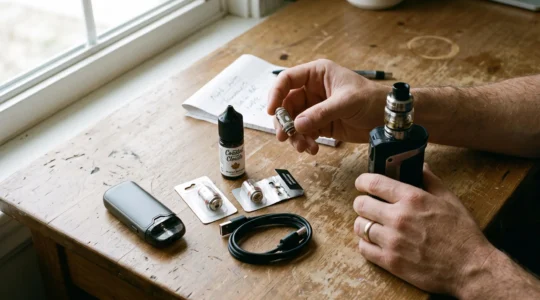
How Can You Build a Vaping Setup That Matches Your Power and Portability Needs?
A vaping setup works best when its components are selected as a system rather than as separate products. The device must support the coil’s resistance and operating power, the tank must accommodate the correct coil family, and the airflow should…
Lire la suite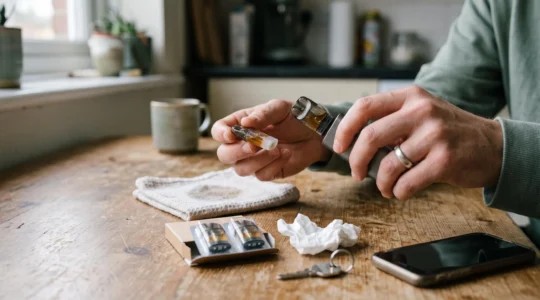
How Do Sealed Pod Cartridges Change Everyday Vape Maintenance?
Sealed pod cartridges change vape maintenance by moving most liquid-handling tasks into a replaceable component. Instead of opening a reservoir, adding e-liquid, monitoring refill seals and cleaning a reusable tank, an adult user removes the spent cartridge and installs a…
Lire la suite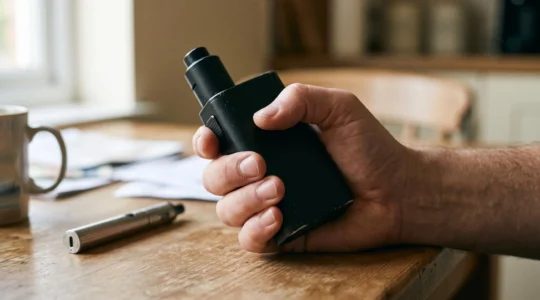
How Does an Ergonomic Box-Shaped Vape Device Improve Everyday Handling?
A box-shaped vape changes how an adult user holds, operates and carries the device. Its wider rectangular body can provide a larger gripping surface than a cylindrical pen, create additional room for controls and accommodate different battery configurations. These advantages…
Lire la suite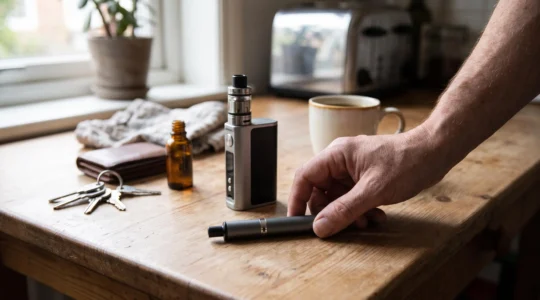
When Does a Cylindrical Vape Pen Suit Everyday Vaping Better Than a Larger Device?
A cylindrical vape pen can be a more practical everyday device than a larger box-shaped model when portability, straightforward operation and minimal adjustments matter more than maximum battery capacity or extensive power controls. Its narrow body is easier to accommodate…
Lire la suite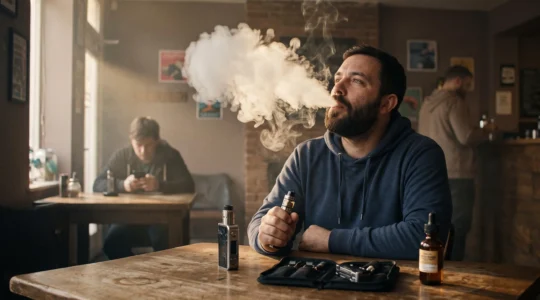
How Did Cloud-Chasing Culture Develop Around High-Output Vaping Setups?
Cloud-chasing culture emerged when producing unusually large e-cigarette aerosol clouds became more than a by-product of vaping. For a segment of enthusiasts, visible vapour became a way to demonstrate technical knowledge, compare equipment, exchange techniques and participate in a recognisable…
Lire la suite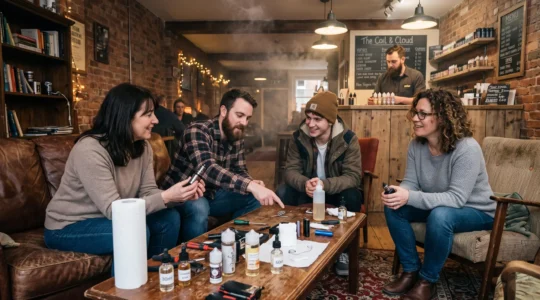
What Role Do Dedicated Vaping Lounges Play in Vaping Communities?
A dedicated vaping lounge serves a different purpose from a conventional retail counter. Rather than organising every interaction around a purchase, it provides a place where adults who already vape can exchange practical knowledge, discuss equipment and spend time with…
Lire la suite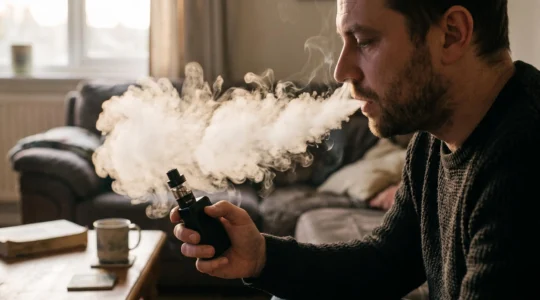
When Does High-Volume Airflow Make Sense in a Vape Setup?
High-volume airflow makes sense when a vaping device is designed to move substantial quantities of air across a high-output coil without creating excessive draw resistance or uncomfortable aerosol temperatures. It is most commonly associated with direct-to-lung (DTL) equipment, particularly sub-ohm…
Lire la suite