
Fundamentals of modern vaporization devices
Inside the sleek metal casing, an electronic cigarette circuit board regulates power delivery from a lithium-ion battery. This energy instantly heats a metallic heating coil, transforming carefully formulated vapor liquids into dense, flavorful aerosol clouds.
Hardware customization and component upgrades
Advanced circuitry options
Enthusiasts frequently customize their vaping setups by installing precision-machined atomizers and specialized drip tips. These interchangeable vape components directly alter airflow dynamics and heat distribution during use.
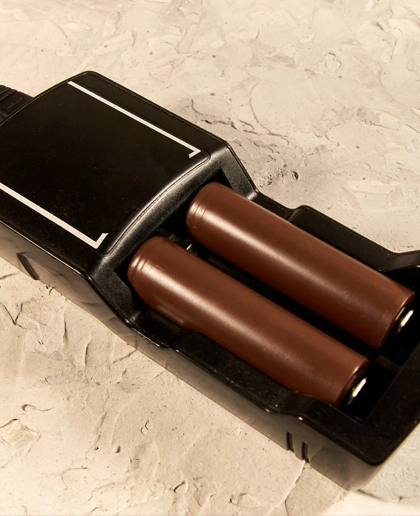
High-capacity lithium power cells
External vape batteries provide consistent wattage delivery for complex coil configurations throughout extended use.
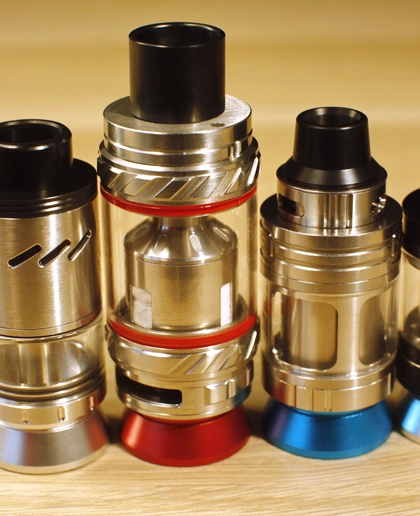
Precision-machined sub-ohm tanks
Expansive glass vape reservoirs hold substantial liquid volume while widened vape chimneys support high-volume airflow.
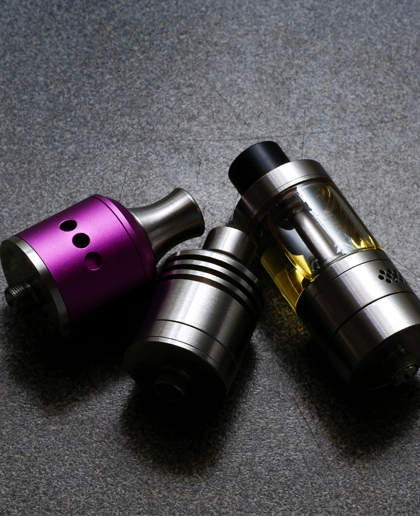
Rebuildable drip atomizer decks
Exposed atomizer build posts allow users to manually wrap and secure custom heating wire.
Composition of aromatic vapor liquids
Blending pharmaceutical-grade vegetable glycerin with concentrated e-liquid flavorings creates a broad spectrum of aromatic flavor profiles. Mixologists carefully balance e-liquid viscosity to support proper wicking saturation, while steeping processes allow complex dessert and fruit flavor notes to mature before the liquid reaches the tank.
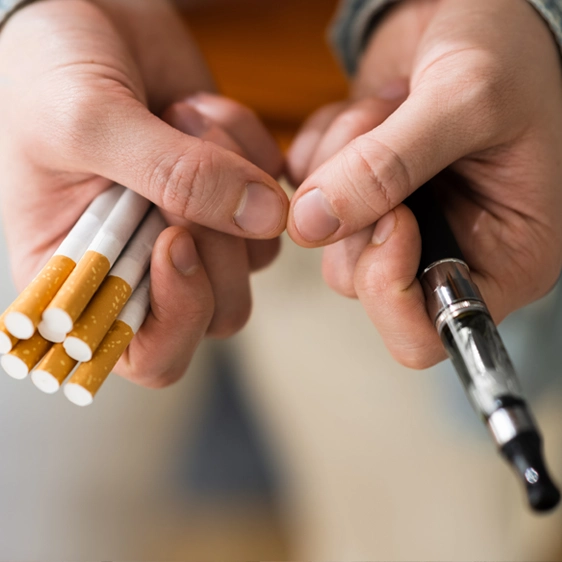
Alternative approaches for nicotine consumption
Gradual nicotine reduction becomes manageable through controlled nicotine concentration levels. Users systematically reduce their nicotine intake over several months while maintaining familiar hand-to-mouth habits.
Culture surrounding cloud-chasing competitions
Dedicated vaping lounges serve as communal hubs where enthusiasts gather to share coil-building techniques and showcase modified vaping hardware. This specialized cloud-chasing culture values knowledge of electrical resistance and mechanical limits when generating dense, visually striking vapor plumes.
Evolution of portable vapor devices
Compact heating systems
From cylindrical vape pens to ergonomic box-shaped vape devices, modern hardware designs prioritize portability without sacrificing thermal performance. Integrated control microchips help prevent dry hits while optimizing battery efficiency autonomously.
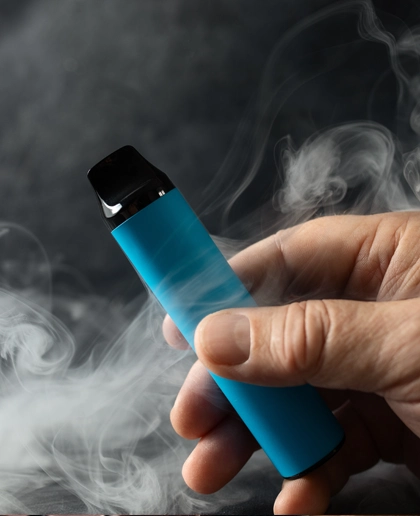
Closed pod system architecture
Sealed pod cartridges eliminate messy refilling procedures and use a draw-activated mechanism for convenient operation.
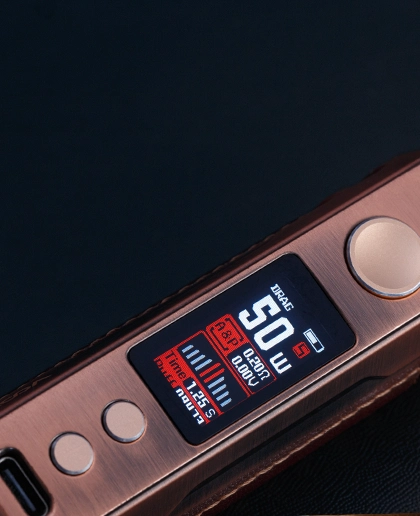
Regulated variable-wattage devices
Digital screens provide real-time vape device telemetry for coil resistance and remaining battery capacity.
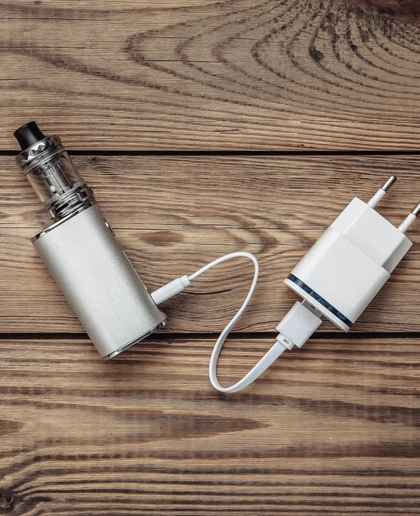
Unregulated mechanical tubular mods
Direct electrical connections between the battery and atomizer require a clear understanding of basic circuit principles.